The era of video games being developed solely by massive corporations in high-rise buildings is officially over. We are currently witnessing a golden age of “Game Creator Development,” a movement where the tools of creation have been democratized, allowing individuals and small teams to build experiences that rival the emotional and technical depth of major studios. In 2026, the barrier to entry has never been lower, but the ceiling for innovation has never been higher.
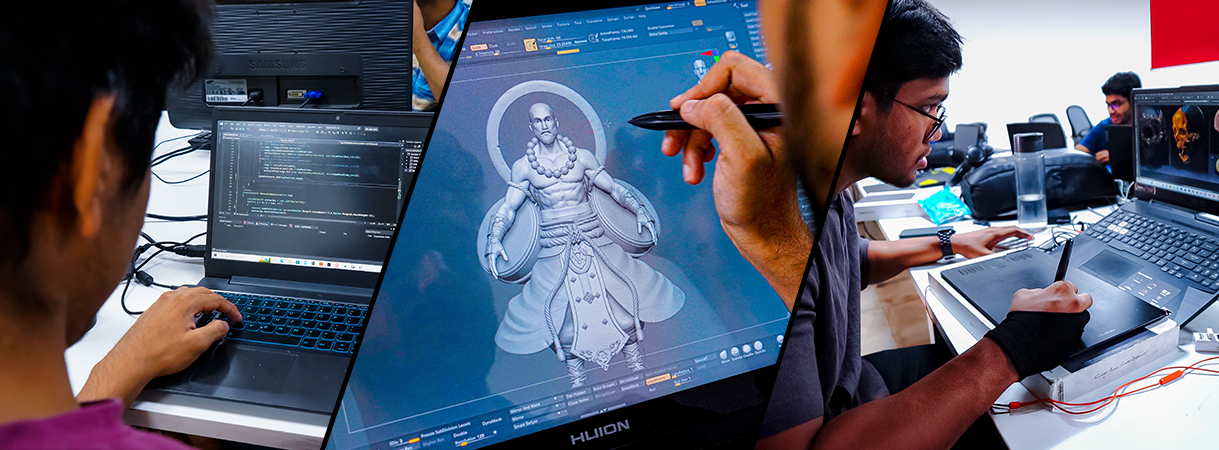
Being a game creator today requires a unique blend of artistry, logic, and entrepreneurial spirit. It is no longer just about writing code; it is about world-building, community management, and mastering an ever-evolving suite of AI-assisted tools. This article explores the essential pillars of modern game development for creators and how the industry is shifting to accommodate a new wave of digital architects.
The Democratization of Game Engines
The most significant catalyst for the explosion in game creator development is the evolution of accessible game engines. Tools like Unreal Engine 5, Unity, and Godot have moved toward “visual scripting” environments. Systems like Unreal’s Blueprints allow creators to map out complex game logic using a flow-chart style interface rather than typing thousands of lines of C++.
This shift has allowed “creators” to focus on the “game”—the mechanics, the feel, and the fun—rather than getting bogged down in the syntax of programming languages. Furthermore, the rise of browser-based engines and lightweight frameworks has enabled a new generation of creators to build games directly for social platforms and the web, bypassing the traditional gatekeepers of console publishing. In 2026, if you have a compelling idea and a basic understanding of logic, the technical tools to realize that vision are often just a free download away.
The Role of Generative AI in Creative Workflows
We cannot discuss game creator development in 2026 without addressing the impact of Generative AI. For independent developers, AI has become a “force multiplier.” Tasks that once required a team of ten people—such as generating high-quality textures, composing background scores, or writing thousands of lines of NPC dialogue—can now be augmented by AI tools.
However, the modern game creator uses AI as a collaborator rather than a replacement. Ethical and creative development now involves using AI to handle the “grunt work,” such as optimizing code or generating base 3D meshes, while the human creator focuses on the artistic direction and the “soul” of the game. This synergy allows solo developers to create “Triple-I” (Independent Triple-A) games that feature stunning visuals and complex systems previously impossible for a single person to manage.
The Shift Toward Community-Driven Development
One of the most profound changes in the development process is the move toward transparency and community involvement. Modern game creators are no longer developing in a vacuum. Instead, they are utilizing “Open Development” models. Through platforms like Discord, Patreon, and early-access Steam releases, creators invite their audience into the kitchen while the meal is still being cooked.
This feedback loop is invaluable. It allows creators to stress-test mechanics and fix bugs in real-time based on actual player data. More importantly, it builds a loyal fanbase that feels a sense of ownership over the project. In the current market, a game’s success is often determined by the strength of its community before it even officially launches. For a creator, development is now 50% technical work and 50% social engagement.
Monetization and the Creator Economy
The way game creators get paid has also undergone a radical transformation. While the traditional model was “finish game, sell game,” the modern developer has multiple revenue streams. Many creators now treat their development journey as content itself, earning through YouTube tutorials, dev-logs, and sponsorships.
Subscription-based models and “Live Service” indie games have also become more common. By releasing consistent updates and seasonal content, a game creator can turn a single project into a multi-year career. Additionally, the rise of “Platform-Based Creation” (such as within Roblox, Fortnite’s UEFN, or Minecraft) has created a ecosystem where developers can earn a significant living by building experiences within existing game worlds. This reduces the need for marketing and distribution infrastructure, allowing the creator to focus solely on the gameplay.
Overcoming the “Scope Creep” Challenge
Despite the better tools and easier access, the biggest threat to any game creator remains “Scope Creep”—the tendency for a project to grow so large that it becomes impossible to finish. Successful creators in 2026 have mastered the art of the “Minimum Viable Product” (MVP).
The strategy involves identifying the “Core Hook” of the game—the one thing that makes it unique—and polishing that to perfection before adding extra features. In an industry where thousands of games are released every month, a short, polished, and unique 2-hour experience is far more valuable than a sprawling, buggy, and generic 40-hour one. Discipline in development is now just as important as creativity.
Conclusion: The Future belongs to the Individual
Game creator development is no longer a niche hobby; it is a vital part of the global entertainment economy. As tools continue to become more intuitive and AI continues to lower the technical hurdles, the only remaining limit will be human imagination.
The future of gaming will not be defined by who has the biggest budget, but by who has the most unique voice. For anyone standing on the sidelines wondering if they should start their own development journey, the message from 2026 is clear: the tools are ready, the audience is waiting, and the power to create worlds is officially in your hands.
Would you like me to research the best free assets and libraries available for new game creators starting out in 2026?